B4A

viernes, septiembre 23, 2011

A new venture!


We are pleased to announce that we have launched a new service for our customers and all those who have needs related to software.

In that sense we have established an affiliation agreement with RegNow (the
industry leader in providing e-commerce processing services and online credit card processing for vendors and authors of PC and Macintosh software, freeware, shareware, electronic art, shopping cart, ecommerce provider and other data).

We are starting with 2 stores: SofStore.com and ArSol.net and we have plans to offer different sort of services:
  • Discount coupons
  • Software reviews
  • Personalized advice to specific needs of buying products
As usual, we will try our best effort, to give our customers the more qualified service.

For any question related with our software stores, please drop us a mail to:
editor at sofstore dot com or  
info at arsol dot net
 
Two editors working on these topics will respond asap to help you.

domingo, agosto 28, 2011

Notebooks Industria Nacional (Argentina)

Desde siempre vi con admiración la industria de Estados Unidos en lo que hace a producción de hardware. Hace unos cuantos años, con las primeras Linux Journal que cayeron en mis manos, pude ver la gran cantidad de marcas tanto de servidores, como de equipos de escritorio y notebooks que se producen en el país del norte. Estoy hablando de compañías pequeñas, no de las grandes marcas que todos conocemos.

Con el tiempo, afortunadamente, han ido apareciendo algunas marcas en Argentina,  una razón más para no depender de otros, y el objetivo de este artículo es realizar una breve reseña de las portables que podemos encontrar en nuestro país.

Comienzo la lista con Bangho, ya que fue este el primer equipo de marca nacional que tuve. Fue un equipo que usé durante unos tres años, con muy buen desempeño y ningún tipo de problemas hasta que se quemó el video. Lo compré, como es mi costumbre, sin sistema operativo, y le instalé Ubuntu (ya no recuerdo que versión) que funcionó perfectamente, con la única excepción de un problema para volver de la hibernación.

Posteriormente tuve (y continúa en uso) una notebook ARM, fabricada por la empresa SIASA la cual ha resultado realmente fantástica. Actualmente corre Ubuntu 11.04 maravillosamente rápido y sin ningún tipo de inconvenientes así como varias máquinas virtuales VMWare como Backtrack y otros linuxes dedicados al área de seguridad.

Otra marca nacional que conozco que existe, pero que aún no pude probar, es BGH, donde se destaca el modelo TS-450, un equipo equipado con un procesador i5. La marca tiene varias líneas, incluyendo hasta un equipo destinado a las condiciones de trabajo más duras, llamado Durabook.

También la firma EXO fabrica sus propias notebooks, destacándose el modelo Smart ST 97 V2, que viene equipado con un procesador i3.

Sin dudas, estas es sólo una rápida reseña de algunos equipos que tengo en mente, pero me interesa poder seguir la serie y hacer un análisis más exhaustivo de diferentes equipos notebooks y netbooks fabricados en Argentina.

Creo que es un hito muy importante producir equipos en Argentina, evitando la importación de productos muchas veces mucho más caros y no necesariamente de mejor calidad. Además, al ser montados localmente, todo lo relacionado con repuestos y reparaciones debería ser sensiblemente más rápido y económico que lo que ocurre con las marcas extranjeras.

La unica gran objeción que puedo hacer es que en casi todos los equipos los fabricantes están incluyendo el sistema operativo propietario por excelencia que se usa por estos lares (Windows) y considero que deberían dar la opción al cliente de adquirir equipos con sistema operativo Linux por ejemplo. No digo que sea con exclusividad (como existen varias marcas en USA que no se entregan con Windows, sino con Linux), pero si que sea una opción.

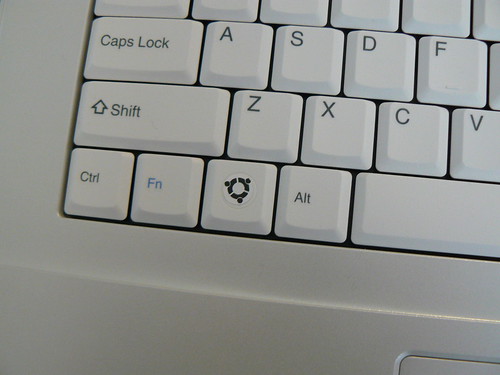
Información de la foto:

ESUG 2011 awards

Again a bunch of Argentinian developers won first and third prizes in the Innovation Technology Awards, held in the 19th International Smalltalk Conference 2011 in Edinburgh, UK.

The complete list of winners and the details of the projects here.

The complete list of presented projects here.

Congrats not only to the winners, but also to all the people that continue innovating and developing new technologies using Smalltalk.

martes, julio 12, 2011

Pharo: Smalltalk, open source, innovative, documented, what else?

Smalltalk is real objects technology, not only object oriented, the word of difference may make a world of difference. 

This means that everything in the environment is an object and the only way to communicate with an object is sending it messages. It's all, objects and messages.

In addition all the objects live in an environment (the currently named image) as en ecosystem that is alive all the time. That means that you can modify your objects and the modification happens while the object is alive on the image.

These modifications and messages are written in a language. The Smalltalk environment has a language, also called Smalltalk, very simple and easy to learn and understand.

The main barrier to people wanting to start with Smalltalk is the Objects paradigm, but after a time changing the mind a new world appear.

Pharo is an open source implementacion of Smalltalk and the mission stated in its web page is: Pharo's goal is to deliver a clean, innovative, free open-source Smalltalk environment. By providing a stable and small core system, excellent dev tools, and maintained releases, Pharo is an attractive platform to build and deploy mission critical Smalltalk applications.

Pharo is currently in the version 1.2.1 as stable, 1.3 is almost ready and 1.4 in development and it uses the traditional virtual machine but also the new, faster Cog virtual machine.

The VM is particular to each platform, but the image run unchanged between platforms. A developer could be developing in Mac and deploy in a Ubuntu server with no problems. Also any other combination of supported operating systems.

Pharo is ready to develop almost any type of application from desktop to web with plenty of frameworks ready to use. Check here some success stories.

How to install:

The easiest way is download the bundle and click it.

But also you can have you VM with lot of different images installed, because the installation is very straightforward, it's only matter of copy the images and sources in a directory, open it with the selected VM and it's all.

All the different downloads here.

You can use the already compiled vm or compile yourself. For a help building your own cog vm version check my blog post.
 
And if you need help, Pharo have several forums and this free book. What else you need to give it a try?.